५ असोज २०८३ , सोमबार | September 21, 2026 Monday
Published At: 2026-08-29 08:10 PM
Nepal is going through a deeply painful moment. The devastating flash floods that struck parts of the country have swept away homes, roads, bridges, infrastructure and livelihoods, leaving families searching desperately for loved ones. The human toll is still unfolding, and many families remain uncertain about the safety of relatives and friends. Rescue and recovery teams are working under extremely difficult conditions. For millions of Nepalis, however, the disaster is not only being experienced on the ground. It is also being experienced through the screens of their phones.

Social media has become an important source of information during this crisis. Facebook, TikTok, YouTube, Messenger, WhatsApp and other platforms allow people in Nepal and Nepalis living abroad to follow developments, search for missing family members, share information about rescue efforts and coordinate assistance. A single verified post can help locate a missing person, alert people about unsafe roads, identify available shelters, connect survivors with relatives or direct assistance to communities in need. In this sense, social media can be a lifeline during a disaster.
But the same platforms can also become another source of suffering. As people desperately search for information, unverified reports, rumors, old photographs, recycled videos, misleading headlines and inaccurate casualty figures can spread rapidly. A video from a previous disaster can be presented as current. A person who is simply unreachable can suddenly be reported as dead. An unconfirmed casualty figure can be presented as final. A rumor can travel through dozens of Facebook groups and Messenger conversations before anyone has an opportunity to verify it. In a situation where people are already frightened and vulnerable, misinformation is not harmless. It can create panic, deepen grief and damage trust.
The psychological impact of this information environment should not be underestimated. For someone whose family lives in an affected district, opening Facebook may feel like an emotional gamble. One notification can bring hope; the next can bring fear. A daughter living abroad may repeatedly search for news about her parents. A brother may watch every video from his hometown looking for familiar faces. A family may spend hours calling a relative whose phone is disconnected. In these circumstances, repeatedly encountering graphic images, rumors and conflicting reports can intensify anxiety, helplessness and emotional exhaustion. The disaster itself is traumatic; our online behaviour should not make that trauma worse.
This is why responsible social-media use should be considered part of the public response to a disaster. The World Health Organization has emphasized the importance of timely, accurate and trustworthy communication during emergencies and the need to address rumors and misinformation. Importantly, responsible emergency communication also means being honest about uncertainty. When information has not been confirmed, saying “we do not know yet” is far more responsible than filling the information gap with speculation. In a rapidly changing disaster, uncertainty is unavoidable, but false certainty can be devastating.
One of the most sensitive issues is the sharing of information about missing or deceased people. During a disaster, communication networks may be disrupted, roads may be blocked and people may be displaced. Someone who cannot be contacted is not necessarily dead. Yet social media sometimes turns uncertainty into an announcement of death. Imagine a family learning through Facebook that their loved one has died, only to discover later that the information was false. Such a mistake can cause profound and unnecessary suffering. Information about deaths and missing people should therefore be shared only when it has been responsibly verified, preferably through families, authorities, rescue organizations or credible news sources.
We also need to ask ourselves whether every photograph or video should be shared simply because it is available. Disaster victims are human beings, not social-media content. Images of injured people, deceased victims, grieving families and traumatized children may generate thousands of views, but popularity does not make such sharing ethical. Documenting a disaster has value, particularly for journalism, accountability and historical records, but there is a clear difference between responsible documentation and turning someone’s suffering into viral content. Before posting an image, we should ask whether we are protecting the dignity and privacy of the person shown. A victim does not need to become viral for their suffering to matter.
The same principle applies to sensational headlines. During a crisis, people are naturally drawn to shocking information. Posts that say “breaking,” “hundreds dead,” “everyone missing” or “complete destruction” can spread quickly, even when the information is incomplete or misleading. Social-media users should resist the temptation to become the first person to announce breaking news. During a disaster, being first is far less important than being accurate. A few seconds spent checking the source, date, location and confirmation can prevent hours of unnecessary fear for thousands of people.
Perhaps we need a simple rule for social-media use during this crisis: stop, check, think and share. Stop before immediately forwarding an emotional or shocking post. Check the original source, date, location and whether credible authorities or reliable news organizations have confirmed the information. Think about whether the information could harm someone, violate someone’s privacy or create unnecessary fear. Then share only if the information is accurate, useful and respectful. Not everything we know needs to be shared, and sometimes choosing not to share something is itself an act of compassion.
Nepalis living abroad have a particularly important role in this information environment. For many members of the Nepali diaspora, social media is their closest connection to family and community back home. Thousands of people outside Nepal are anxiously following developments, trying to contact relatives and looking for ways to help. Diaspora organizations and community groups can use social media constructively by sharing verified information, legitimate relief opportunities and official updates. At the same time, they should be careful not to become channels through which rumors spread even faster. Before forwarding an unverified message to a community group, we should ask three simple questions: Is it verified? Is it current? And will sharing it actually help?
Community leaders, journalists, influencers and people with large social-media audiences carry an even greater responsibility. Their posts can reach thousands of people within minutes. During a crisis, influence should not be measured by how quickly someone can break news or how many views a video receives. Influence should be measured by whether that platform helps people make informed decisions and reduces unnecessary fear. Influential users can make a tremendous difference by amplifying official warnings, verified rescue information and legitimate relief efforts rather than rumors, speculation and graphic content.
There is also a responsibility to protect our own mental health. People who have loved ones in affected areas understandably want constant updates, but continuous exposure to distressing images and conflicting information can become overwhelming. We do not have to watch every video or read every post to demonstrate that we care. Taking a break from social media does not mean abandoning Nepal. It means recognizing that we also need to protect ourselves emotionally so that we can continue supporting others. Choosing a few reliable sources, limiting notifications and taking regular breaks from disaster-related content can help reduce unnecessary psychological distress.
There will eventually be important conversations about why the disaster happened, whether adequate preparedness measures were in place, how infrastructure performed, whether warnings reached communities and who should be held accountable. Those conversations are necessary. But while rescue operations are continuing and families are still searching for loved ones, social media should first be a place for verified information, solidarity and practical assistance. Political arguments, personal accusations and speculation can wait. The immediate priority should be saving lives, supporting survivors and helping families find reliable information.
Nepal needs more than physical rescue. It also needs an environment in which information can be trusted. During a disaster, information itself can save lives. A verified warning can prevent someone from entering a dangerous area. A carefully shared missing-person notice can help reunite a family. Accurate information about shelters, medical services and relief supplies can help survivors. A responsible decision not to share a rumor can prevent an entire community from experiencing unnecessary panic.
Our phones may be small, but the consequences of what we share through them can be enormous. Every post, photograph, video and forwarded message can affect a real person somewhere. Behind every missing-person report is a family waiting. Behind every death announcement is a family grieving. Behind every frightening image may be someone already struggling to cope.
Nepal is hurting. Families are waiting. Rescue workers are working under enormous pressure. Communities are coming together. In this painful moment, social media should strengthen that solidarity rather than deepen the suffering. Before pressing “share,” we should pause and ask ourselves a simple question: Will this information genuinely help someone?
If the answer is yes, share it responsibly. If the answer is uncertain, verify it first. And if sharing it will only create fear, expose someone’s suffering or spread an unconfirmed story, perhaps the most compassionate thing we can do is leave it unshared.
In times of disaster, sharing is a choice. Let us choose accuracy, compassion and humanity.
………………………………………………………………………………………
Disclaimer: This article represents the author’s personal perspectives and does not reflect the views or positions of any affiliated institution.
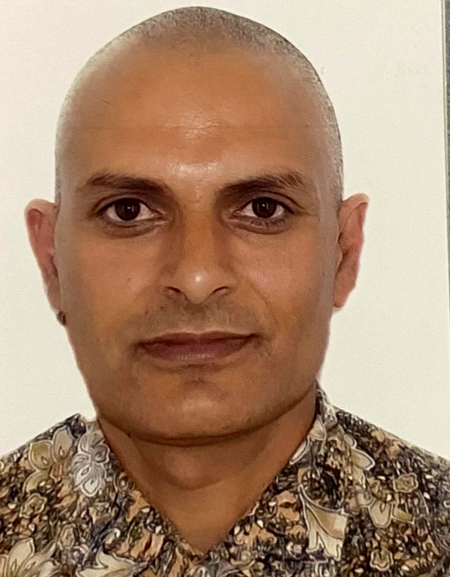
Rudra Dahal, Calgary, Canada
© 2026 All right reserved to usnepaltoday.com | Site By : SobizTrend