५ असोज २०८३ , सोमबार | September 21, 2026 Monday
Published At: 2026-08-25 09:55 PM
When news emerged that beloved Nepali singer Yam Baral had been diagnosed with multiple myeloma, thousands of Nepalis responded with shock, sadness, and heartfelt prayers. For decades, his songs have been woven into the emotional fabric of our lives, accompanying moments of joy, nostalgia, and reflection. Suddenly, many people who had never heard the term “multiple myeloma” began asking a simple but important question: What is this disease? In my opinion, Yam Baral’s diagnosis is not only a personal health challenge but also an opportunity to raise public awareness about a complex cancer that remains unfamiliar to many. More importantly, it reminds us that a diagnosis of cancer should not immediately be associated with hopelessness. Medical science has made remarkable progress, and today many people with multiple myeloma live productive and meaningful lives for years after diagnosis.
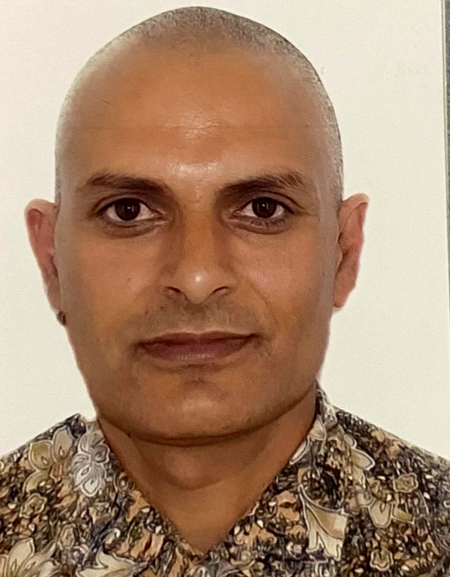
Photo credit: Facebook
Multiple myeloma is a type of blood cancer that develops in plasma cells, a specialized form of white blood cell found in the bone marrow. Under normal circumstances, plasma cells help protect the body by producing antibodies that fight infections. In multiple myeloma, however, these cells become abnormal and multiply uncontrollably. Instead of protecting the body, they crowd out healthy blood cells and produce abnormal proteins that can damage bones, kidneys, and the immune system. Unlike many cancers that form a single tumor, multiple myeloma often affects several areas of the bone marrow simultaneously, which is why the disease is called “multiple” myeloma.
One of the challenges of multiple myeloma is that its symptoms are often subtle during the early stages. Many patients initially experience persistent back pain, fatigue, weakness, or repeated infections—symptoms that are commonly mistaken for aging or other less serious conditions. As the disease progresses, weakened bones may fracture easily, anemia may develop, kidney function may decline, and blood calcium levels may rise. Because these symptoms overlap with many common illnesses, diagnosis is sometimes delayed. This highlights the importance of seeking medical attention when persistent symptoms do not improve rather than assuming they are simply part of growing older.
Although hearing the word “cancer” naturally creates fear, multiple myeloma is very different from what it was two decades ago. While it is still generally considered a chronic but treatable disease rather than one that is routinely curable, advances in medicine have transformed the outlook for many patients. Modern treatment often combines several approaches, including targeted therapies, immunomodulatory medicines, proteasome inhibitors, monoclonal antibodies, corticosteroids, and, for eligible patients, stem cell transplantation. More recently, revolutionary treatments such as CAR T-cell therapy and bispecific antibodies have provided new hope for patients whose disease returns after earlier treatment. Researchers continue to develop therapies that are more precise, more effective, and associated with fewer side effects than previous generations of treatment.
Perhaps the most encouraging message for patients and their families is that survival has improved dramatically. Years ago, multiple myeloma was often associated with a limited life expectancy. Today, many patients live for ten years or longer, and some enjoy excellent quality of life while continuing their careers, spending time with family, traveling, and participating in the activities they love. For many people, multiple myeloma has become a condition that can be managed over time, much like other chronic illnesses, rather than an immediate death sentence.
History offers many examples of individuals who have continued to live meaningful lives after being diagnosed with multiple myeloma. American journalist and former NBC News anchor Tom Brokaw publicly shared his diagnosis and continued writing books, giving speeches, and remaining professionally active for many years. Former United States Secretary of State Colin Powell also lived with multiple myeloma while continuing to contribute to public life. Their experiences remind us that although the disease presents significant challenges, it does not erase a person’s ability to contribute to society, inspire others, or maintain dignity and purpose.
Equally important is the emotional journey that accompanies a diagnosis of cancer. Patients often experience fear, uncertainty, anxiety, and questions about the future. Families, too, carry emotional and financial burdens while supporting their loved ones. During such times, emotional support becomes as important as medical treatment. Encouragement from family members, friends, healthcare professionals, and the wider community can significantly influence a patient’s resilience and quality of life. Cancer is rarely fought by an individual alone; it is faced by an entire family and often an entire community.
Yam Baral’s journey reminds us of another important lesson: illness does not define a person. Long before his diagnosis, he had already earned a respected place in Nepali music through his talent, dedication, and emotional connection with audiences. That legacy remains unchanged. While he now faces one of life’s most difficult challenges, he also represents courage, resilience, and hope. By sharing his health journey publicly, whether intentionally or through public reporting, he has encouraged many people to learn about a disease they previously knew little about. In that sense, his influence extends beyond music and into public health awareness.

For Nepal, Yam Baral’s diagnosis also highlights the growing importance of strengthening cancer awareness, early diagnosis, and access to specialized treatment. Advances in medicine mean little if patients cannot reach them because of financial hardship, delayed diagnosis, or limited healthcare infrastructure. Continued investment in cancer centers, diagnostic facilities, trained specialists, and affordable treatment is essential. Public education is equally important. People should understand that persistent bone pain, unexplained fatigue, repeated infections, or unusual weakness should never be ignored, especially among older adults. Early diagnosis allows treatment to begin sooner and often leads to better outcomes.
As individuals, we also have responsibilities. We should avoid viewing every cancer diagnosis as a tragedy without hope. Instead, we should offer encouragement rather than pity, support rather than fear, and accurate information rather than misconceptions. Advances in medical science continue to redefine what is possible, and hope has become one of the most powerful medicines available.
In my opinion, Yam Baral’s story is ultimately not just about cancer. It is about human resilience. His music has touched countless hearts over the years, and today his courage has the potential to inspire another important message: life does not stop with a diagnosis. Challenges may change our path, but they do not necessarily define our destination. Just as his songs have given comfort to others, may the love, prayers, and support of countless admirers now give him strength in return. More importantly, may his journey remind all of us that knowledge is stronger than fear, compassion is stronger than stigma, and hope remains one of the greatest healing forces we possess.
…………………………………………………………………………………..
Disclaimer: This article represents the author’s personal perspective and does not reflect the views or positions of any affiliated institution.
© 2026 All right reserved to usnepaltoday.com | Site By : SobizTrend